

When you’re buying, leasing, or converting a shipping container, terms like CSC, IICL, Cargo‑Worthy, and WWT can feel confusing — especially if you’re not dealing with containers every day. But these certifications and grades matter more than most people realise. They determine whether a container can travel internationally, whether it’s safe to modify, and whether it’s suitable for long‑term use.
In this guide, we break down every major container grade in plain language so you know exactly what you’re paying for — and which grade best fits your needs.
Why container grading matters
Choosing the wrong container grade can create real problems. Buy too high a grade and you’re overspending. Buy too low and you risk damage, leaks, failed inspections, or being denied export clearance. The container industry uses several standards to categorise quality, but these are often mixed up or misused, creating confusion for buyers. Grades like IICL, Cargo‑Worthy, and Wind & Watertight each serve different purposes, and understanding them ensures your container actually matches your operational needs (lummid.com).

1. CSC Certification — The passport for International Shipping
A CSC Certificate (from the International Convention for Safe Containers, adopted in 1972 by the IMO) is the minimum legal requirement for any container used in international or inland transport. Think of the CSC plate as the container’s passport — without it, the unit cannot legally be loaded onto a vessel or cross a border.
A container with a valid CSC plate has passed strict safety assessments confirming it is structurally sound for stacking and heavy cargo loading, wind and watertight with no openings where light or water can enter, and safe for handling by cranes, forklifts, and ship‑to‑shore equipment. To earn this certificate, the container undergoes a formal CSC survey performed by trained inspectors. If it passes, a CSC plate is mounted on the outside of the left door. If it fails, it cannot legally be used for export — although it may still be suitable for storage (chs‑containergroup.com).
One important detail many buyers overlook: after the initial five‑year approval period, CSC‑certified containers must be re‑examined every 30 months to remain compliant. If you’re purchasing a used container for export, always check the date on the CSC plate.
Who needs CSC? Exporters, freight forwarders, shippers, and anyone sending cargo internationally. If you’re using a container purely for storage, CSC certification isn’t required — but for export, it is non‑negotiable.
2. New / One‑Trip — The highest grade available
A One‑Trip (or “New”) container is a factory‑built unit that has made a single journey — typically from the manufacturer in Asia to its destination loaded with cargo. Once that first voyage is complete, the container is sold into the aftermarket. Despite being called “new,” these units have technically been used once, but they arrive in near‑pristine condition: no rust, no dents, vibrant paint, and a full remaining lifespan of 25 years or more.
Best for: High‑end conversions, customer‑facing builds, premium retail or hospitality projects, and any application where appearance and longevity are priorities.
3. IICL Grade — The premium used standard
IICL stands for the Institute of International Container Lessors, the leading trade body for the marine container leasing industry. An IICL‑graded container has been inspected against the IICL‑6 criteria (the current edition, in effect since August 2016), which covers 34 structural checkpoints including frame integrity, floor condition, panel watertightness, and dimensional tolerances. Any repairs must conform to ISO‑1496 standards.
IICL containers are typically 2–10 years old with minimal corrosion, strong floors and doors, and at least 95% of original paint intact. They carry valid CSC plates and are the benchmark for international leasing companies because they’re built to endure heavy, repeated use.
Best for: Premium logistics operations, regular export, long‑term leasing, and high‑end conversions where appearance and structural longevity matter.
4. Cargo‑Worthy (CW) — The standard export‑ready grade
Cargo‑Worthy (CW) is one of the most commonly purchased container grades. A CW container has been inspected by a certified surveyor and confirmed as structurally sound for international sea transport. It carries a valid CSC plate (or is eligible for renewal), has working doors, seals, vents, and floors, and shows normal cosmetic wear — dents, scratches, surface rust — but no structural defects. CW containers are typically 10–15 years old and offer the ideal balance of cost and reliability, making them the most popular choice for commercial shipping and project cargo.
Best for: Export shipments, offshore or industrial use, long‑term storage, and construction sites. If you need a container that can legally leave the country, CW is the minimum grade you want.
5. Wind & Watertight (WWT) — Ideal for storage and conversions
A Wind & Watertight (WWT) container does exactly what its name promises: it keeps out wind, rain, and dust. However, it does not carry CSC certification and cannot be used for export as‑is. WWT containers are structurally safe for ground‑level storage, free of holes and major breaches, but more visually worn — expect dents, patches, and surface rust. They are also the most affordable grade above As‑Is (apstorage.com).
Best for: On‑site storage, container conversions (cafés, offices, kiosks, ticket counters, retail pods), workshops, and any non‑shipping application. WWT is the go‑to grade for most conversion projects where export certification isn’t required.
6. “Cargo‑Ready” — What this term actually means
You’ll often hear suppliers use the phrase “cargo‑ready.” But it’s important to know that this is not an official certification — it simply means the container appears to be in a condition suitable for shipping. Typically, cargo‑ready containers pass basic structural criteria and are wind and watertight, but they may or may not have a valid CSC plate. For international shipping, you still need a formal survey to confirm Cargo‑Worthy status and validate the CSC plate.
How to choose the right container grade
Here’s a quick reference:
| Purpose | Recomendation |
| International shipping | CSC‑Certified Cargo‑Worthy or IICL |
| Long‑term, heavy export use | IICL or One‑Trip |
| Affordable export option | Cargo‑Worthy (CW) |
| Storage or modifications | WWT or CW |
| Low‑cost site use | WWT |
| High‑end builds (offices, retail, hospitality) | IICL or One‑Trip |
If you’re unsure, Cargo‑Worthy is usually the safest balance between quality and cost.
Start with the Right Grade
Choosing the right container grade protects your project, your budget, and your cargo. Whether you’re shipping internationally, setting up on‑site storage, or building a custom commercial space, knowing the difference between CSC, IICL, CW, and WWT ensures you get the right container for the job — without overspending or running into compliance issues down the line.
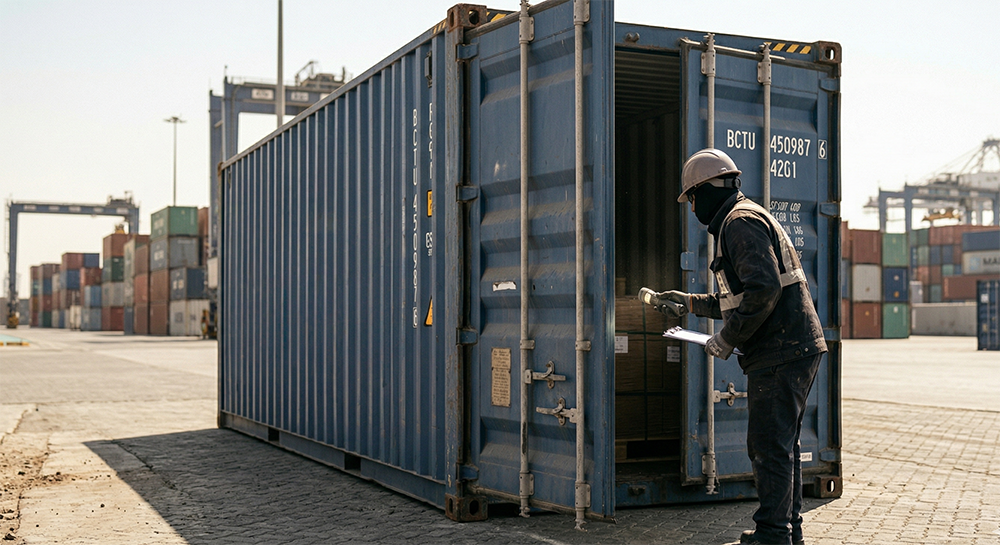
At Boxcare, our team includes IICL‑certified inspectors and container specialists who guide businesses through this process every day — from selecting the right grade to repair, certification, and conversion. Whether you need a single unit or an entire fleet, talk to our team and we’ll help you find the safest, smartest option for your needs.